Funaoka Onsen Review – An Honest Guide to Kyoto’s Historic Public Bath
While Funaoka Onsen receives many positive reviews online, there are also some negative comments.
As someone who has visited Funaoka Onsen dozens of times, I will summarize both the positive and negative feedback found in online reviews and provide a fair, unbiased, and accurate explanation of what to expect
Opening Hours / Closed Days
3:00 PM – 11:30 PM
Sunday : 8:00 AM – 11:30 PM
Tuesday : Closed
Positive Reviews
Many people appreciate that the hot spring offers a wide variety of baths.
There are few facilities that offer such a wide variety of baths.
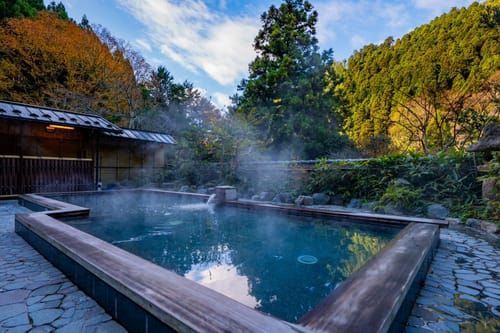
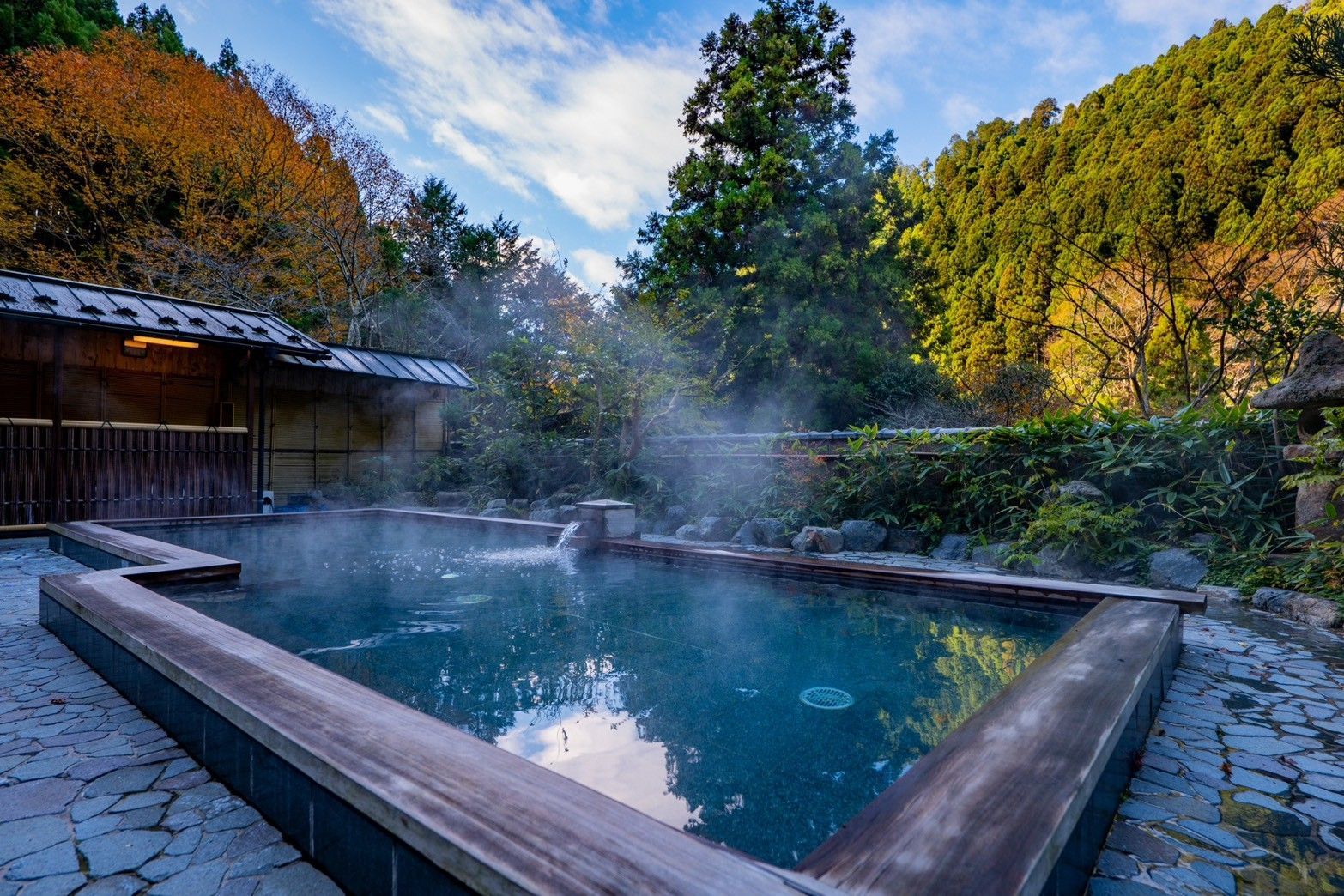
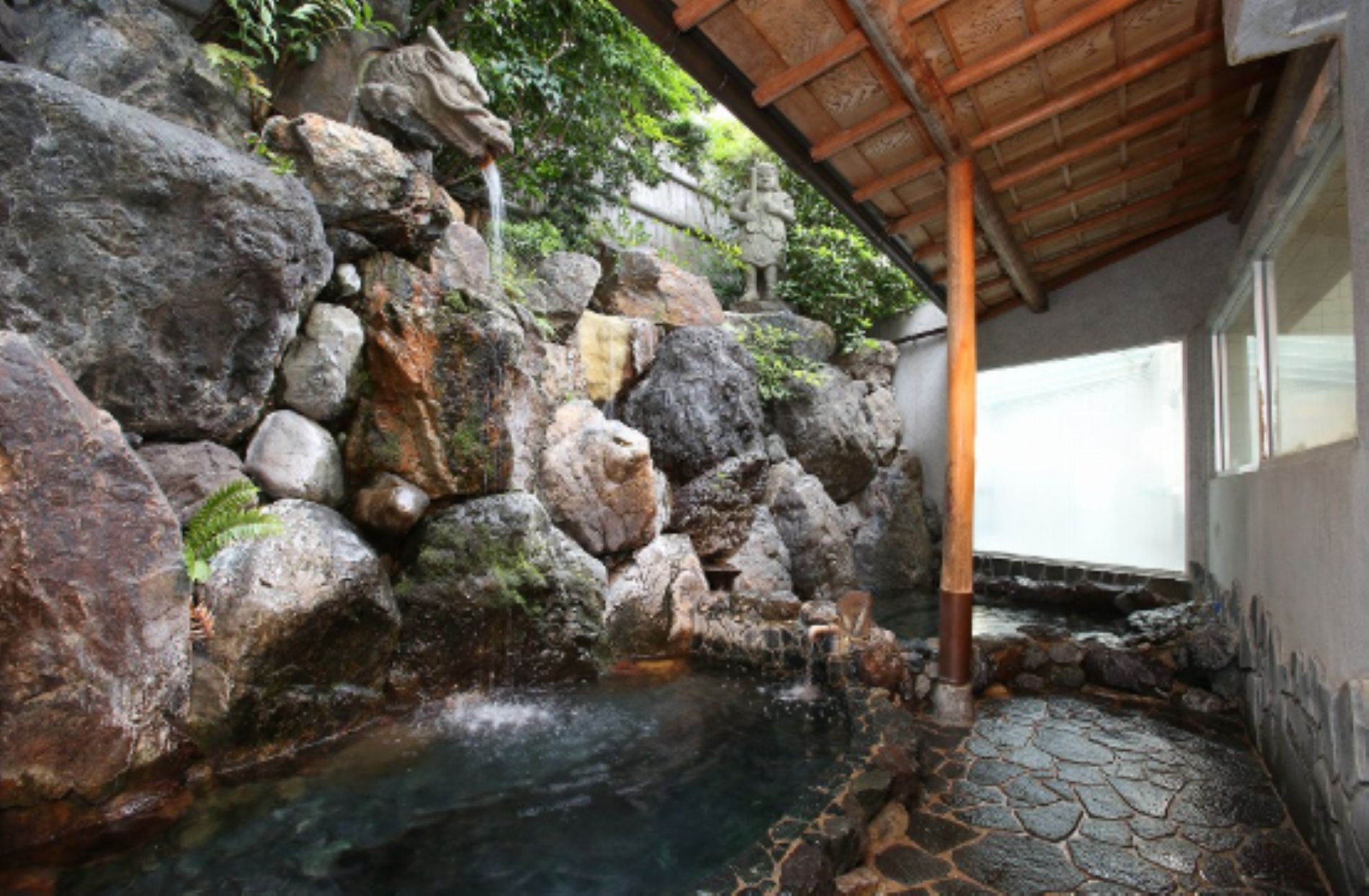
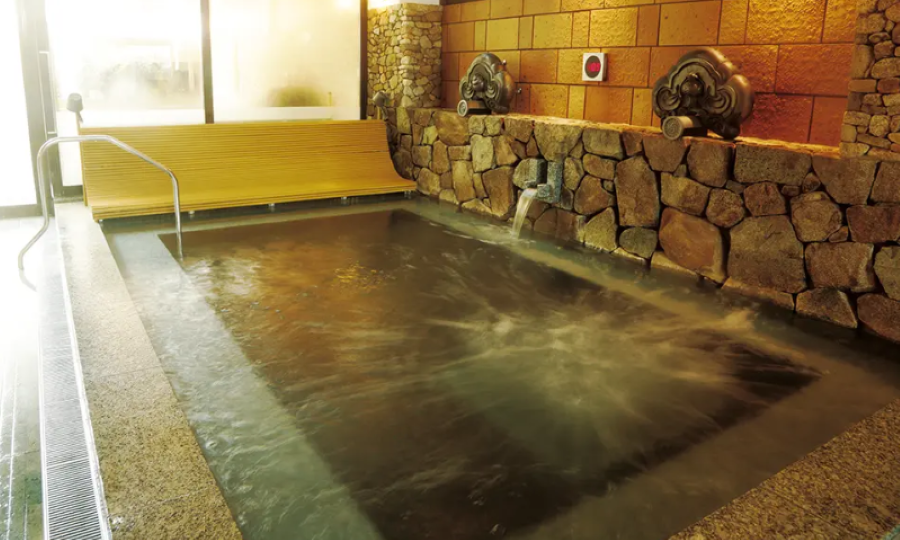
Open-air baths, cypress wood baths, deep baths where you can stand while bathing, jet baths, bubble baths, medicinal baths, electric baths, saunas, cold baths, and waterfall baths.
With this many types of baths available, it’s no wonder the onsen receives high praise.
Many people appreciate that the admission fee is affordable.
Funaoka Onsen offers excellent value for money.
The admission fee of 550 yen per person is incredibly affordable. To enjoy the same quality at other facilities, you would likely need to pay around 1,100 yen.
The reason it is so inexpensive is that the hot springs is not operated for commercial purposes, but rather to support the daily hygiene and well-being of the local community.
An open-air bath is perfect for relaxing your tired body after sightseeing in Kyoto.
Visiting Funaoka onsen in the evening after a full day of sightseeing in Kyoto is the perfect way to unwind.
Especially from autumn to spring, the open-air bath feels particularly comfortable as the outdoor temperature is cooler.
Negative Reviews
It is a bit far from major areas like Gion.
There is no train station near Funaoka Hot Spring, so it’s best to use a bus or taxi. Even so, it’s still a bit far, so a good plan is to visit Funaoka Hot Spring on the way to or from Kinkaku-ji.
It’s about a 17-minute walk from Kinkaku-ji, or around 5 minutes by taxi.
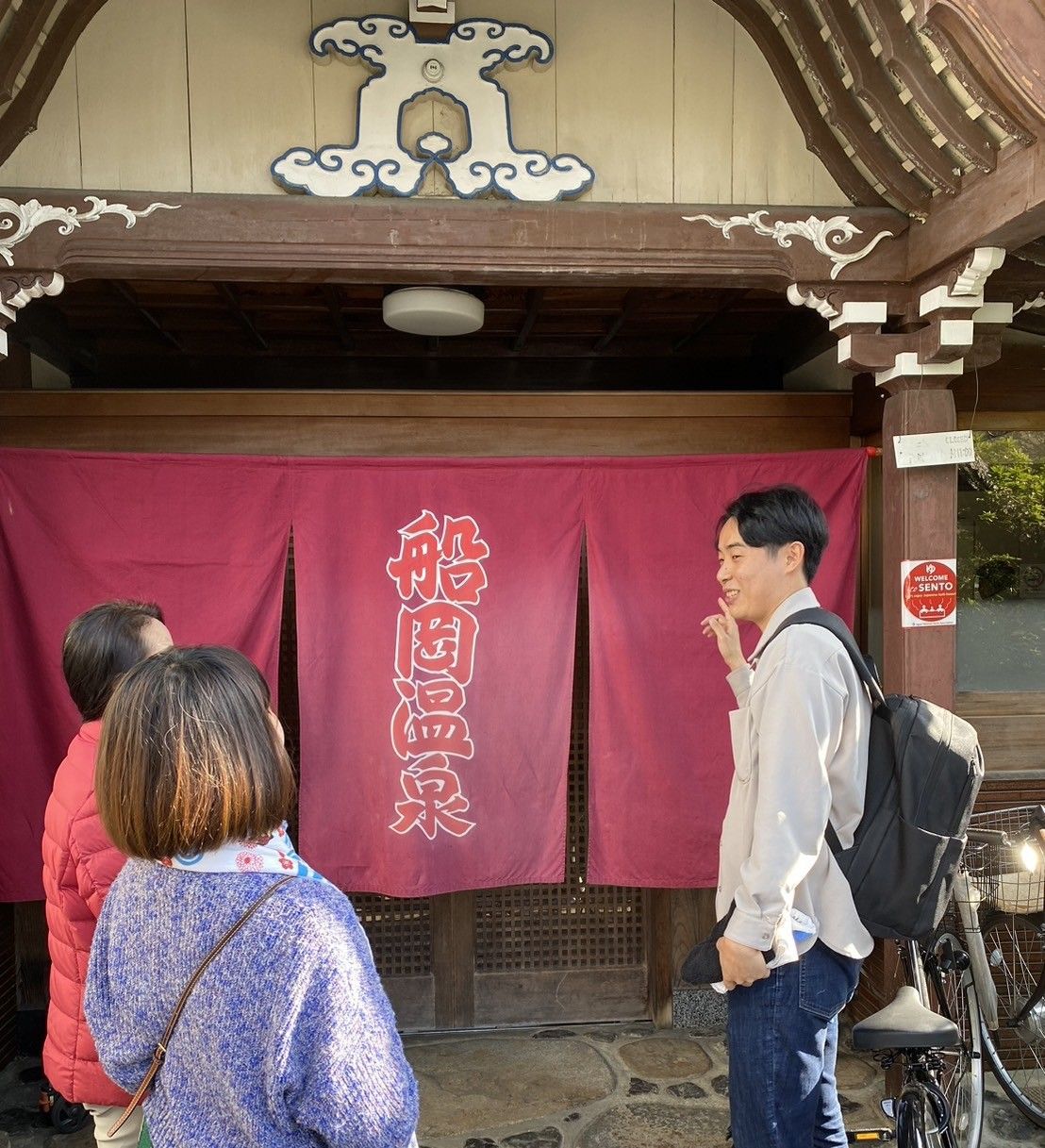
The location can be difficult to find.
It’s true that the location can be hard to find, so be sure to use Google Maps or another navigation app.
Since it’s tucked away in the streets of Kyoto, it can be easy to miss.
Look for the stone wall at the entrance as a landmark.
I felt self-conscious about being watched.
Men and women bathe separately, but for many Japanese people, seeing someone with tattoos can still feel unusual.
Others may also be observing whether you follow proper bathing etiquette. To avoid inconveniencing other guests, it’s a good idea to familiarize yourself with hot springs manners beforehand.
It wasn’t a hot spring.
Although it is not officially a hot spring, Funaoka onsen uses natural groundwater, which makes it feel very close to one.
The definition of a hot spring can be vague, and in many cases, it’s difficult to tell whether a bath is technically a hot spring just by bathing in it.
If you want to truly experience a hot spring, facilities with free-flowing natural spring water (100% source-fed baths) are recommended.